Most new streetwear brands do not fail because of bad designs. They fail because the first order costs more than planned, arrives later than promised, or does not fit the way the samples did. The good news: almost all of that can be avoided with a clear plan before you contact a factory. Here is the process we recommend to brands placing their first private label order.
1. Start with a small, focused capsule
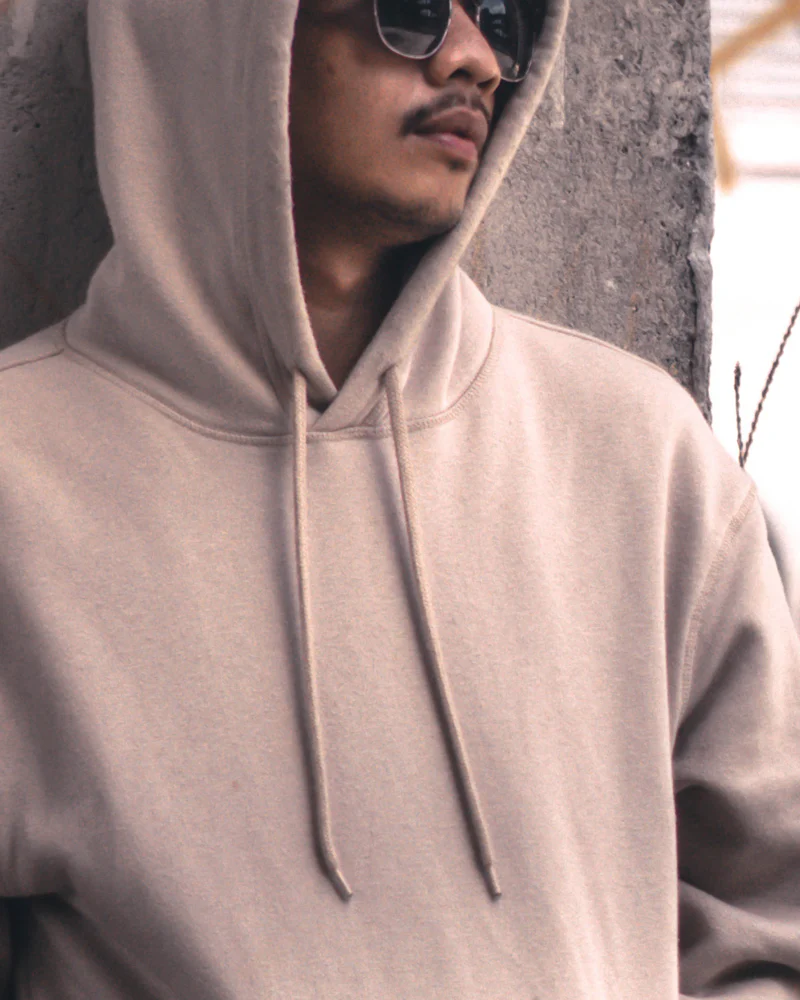
Your first drop does not need twelve styles. Three to five pieces that work together tell a clearer story and keep your cash in check. A classic starting capsule is a heavyweight hoodie, a boxy tee, and one statement piece such as cargo pants or a varsity jacket.
- Pick one hero piece you want people to remember.
- Keep colours tight: two or three colourways across the whole capsule.
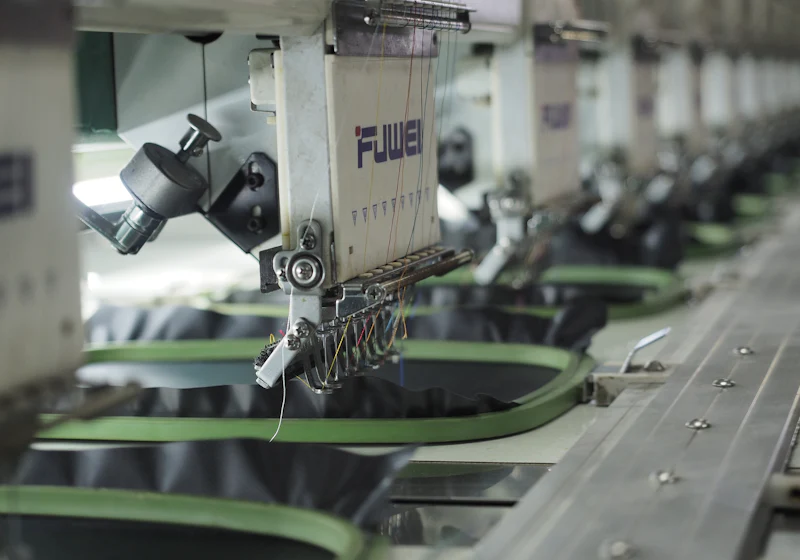
- Reuse branding (the same neck label, the same embroidered logo) to keep setup costs down.
2. Know what you are actually paying for
The unit price is only one line in your budget. Before you commit, list every cost:
- Sampling: pattern work and the physical sample, plus courier. Many factories credit the sample fee against bulk.
- Bulk production: unit price times quantity, including decoration (print, embroidery) and trims.
- Branding: woven labels, hang tags and custom packaging, which often have their own minimums.
- Shipping, duties and taxes: express courier or freight, import duty and VAT in your country.
Add these together and divide by the number of pieces. That landed cost per piece is the number your retail price has to work with.
3. Prepare a brief, even if you do not have a tech pack
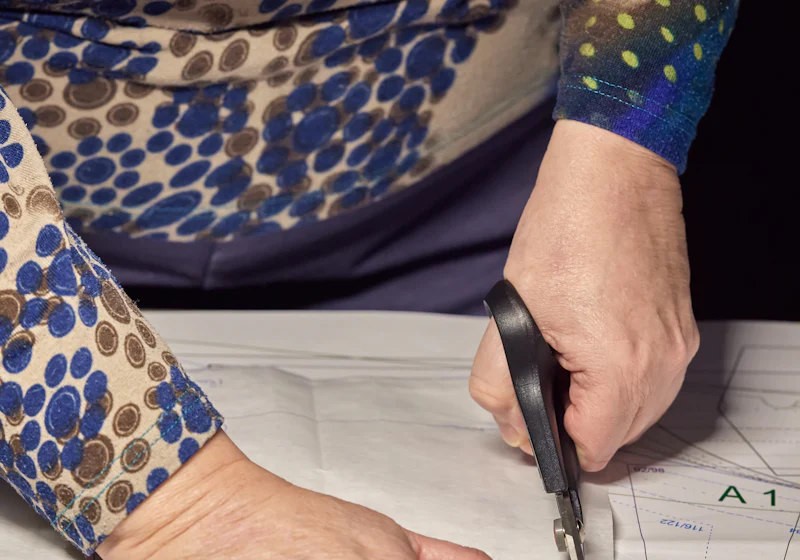
A full tech pack is ideal, but it is not required to get started. A good brief includes reference photos, the fabric and weight you want, the fit (oversized, boxy, regular), your size range, colours and where the logo goes. The clearer the brief, the more accurate the quotation. Our tech pack checklist explains what to include.
4. Treat sampling as part of the design process
The first sample rarely is the final one. Check it on real people, not only on a table:
- Measure it against your size chart and note every difference.
- Wash it once and measure again to see shrinkage.
- Check print and embroidery placement, label position and stitching.
Send clear, photographed comments. When everything is right, approve a pre-production sample in writing. That sample becomes the standard your bulk order is checked against.
5. Plan quantities with a size ratio
Minimum order quantities (MOQ) are usually set per style and per colour. Within that, split the quantity across sizes based on who your customers are. A common starting ratio for unisex streetwear is 1 : 2 : 2 : 1 across S, M, L and XL, with small runs of XS or 2XL if your audience needs them. Too many extreme sizes is one of the most common reasons first drops leave stock behind.
6. Agree timelines and checkpoints up front
Ask for the sampling time, bulk lead time and shipping time in writing, and agree how you will see progress. Weekly production photos and a final inspection report before you pay the balance give you control without flying to the factory.
7. Prepare your launch while production runs
Bulk production typically takes several weeks. Use that time for photography (approved samples work well), product pages, size guides and your launch content, so you can sell as soon as the boxes land.
Quick checklist
- Capsule of 3-5 styles defined
- Landed cost per piece calculated
- Brief or tech pack ready
- Sample approved in writing
- Size ratio and colour split agreed
- Timeline, payment terms and inspection agreed
If you want a manufacturer to look at your idea, send us your brief. We reply within one business day with pricing, MOQ and lead times.